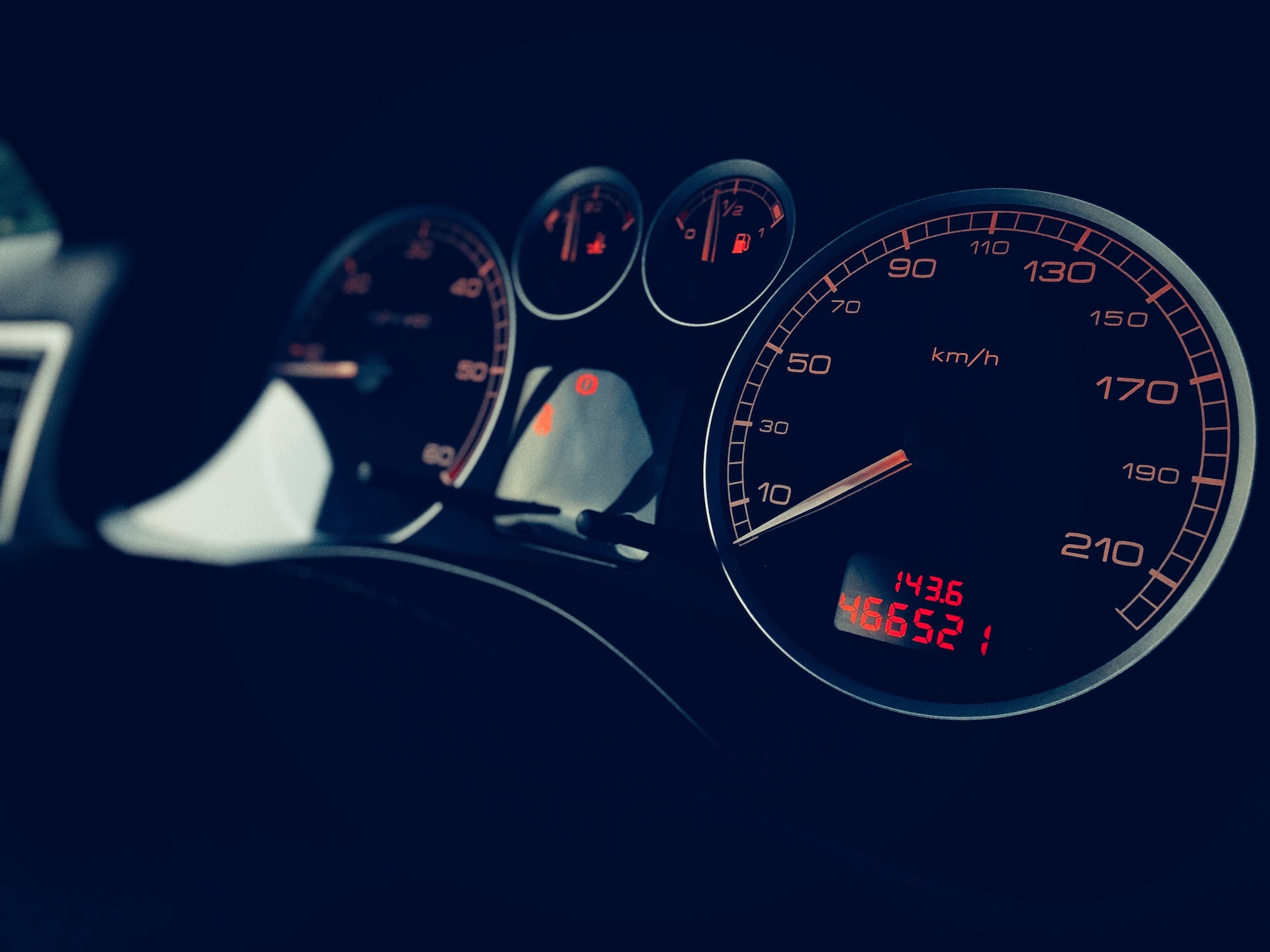
Before buying a used car, an important step is to check the odometer mileage and carefully review the values you receive.
While the overall condition of the car is decisive for the final purchase decision, the mileage carries a lot of information that can be useful during the buying process.
Cars with genuinely low mileage have typically been used less, which usually indicates less wear, better condition and a longer expected lifetime. High mileage, on the other hand, shows that the car has been exposed to more intensive use, which may imply upcoming maintenance, repairs and costs.
Recorded odometer readings
The Instacar app lets you query the last recorded mileage and also provides access to previous recorded odometer readings. This makes it easier to spot manipulated mileage.
(From October 2023, we also highlight values that don’t fit an increasing sequence with a different colour.)
Estimated current mileage
Sometimes the last recorded value is outdated—possibly several years old—or in the case of newly purchased cars it may even show a single‑digit value. That’s why Instacar’s estimated mileage can be useful: it can provide an approximate value for the car’s current mileage.
Mileage performance
The mileage performance rating draws attention if the car has run significantly more than vehicles of a similar age. In such cases it’s worth investigating the reasons, because overuse can have a major impact on performance and lifespan.
Checking and evaluating mileage is an essential step in finding a reliable used car that holds its value.
Do you see incorrect data for your own car?
Corrections to incorrectly recorded mileage must be requested from the organization that recorded the data:
- If the typo happened during a technical inspection: the traffic authority (county government offices),
- In the case of an authenticity inspection: the inspection station,
- For a sale/purchase procedure: the government office,
- For an insurance claim event: the insurer.